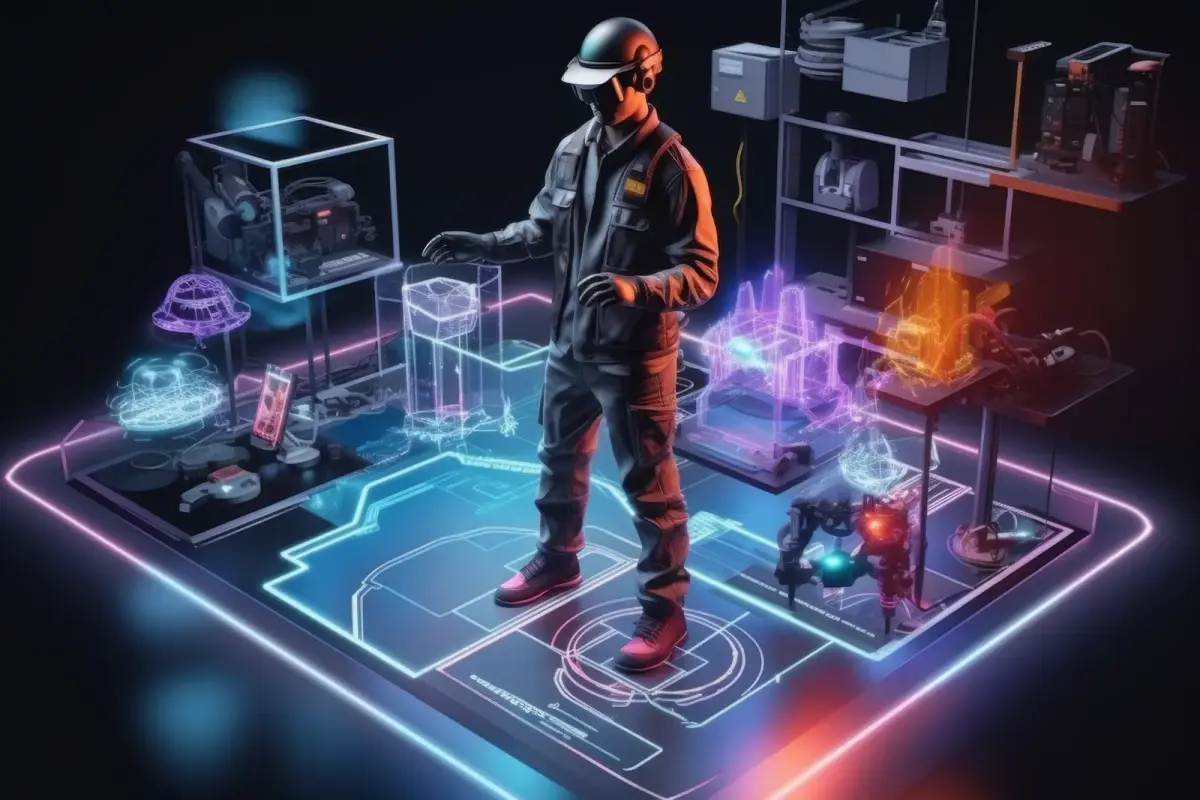
Scene preparation
The latest CAD of the plant or equipment package is imported, optimised for real-time use and assembled into a 1:1 scene with the right level of detail for the review questions on the table.
Immersive casthouse visualisation for layout verification, safety reviews, operator workflows, and stakeholder decisions before the plant is built.
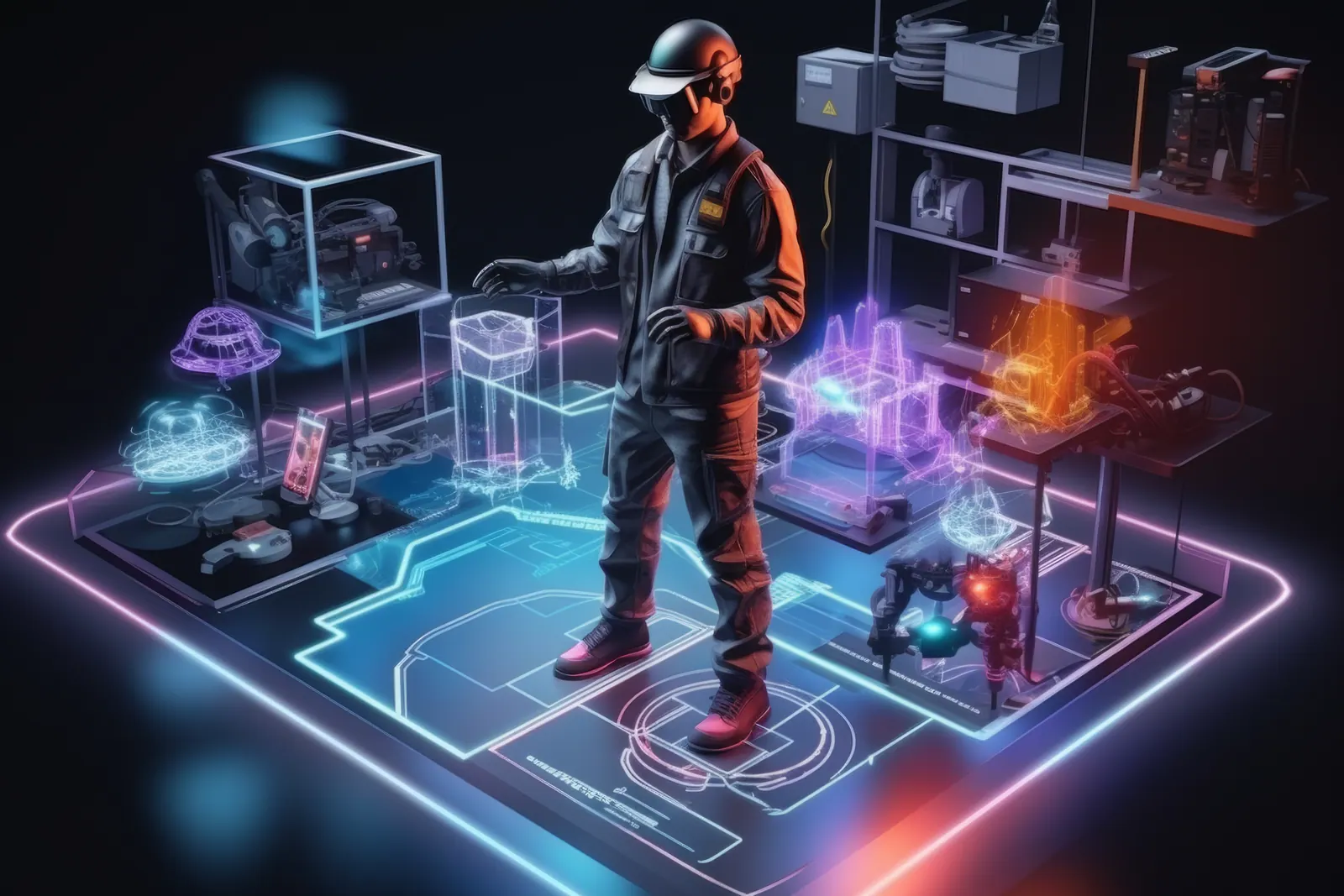
Drawings get the dimensions right, but they don't put you inside the room. VR does — at real scale, with the freedom to walk around, look up, look down and ask whether the plant actually works the way it was drawn.
For an aluminium casthouse, the questions VR answers earliest are the ones drawings struggle with: can operators reach the burner without crossing a crane path; does the fume hood clear the structural steel; can a forklift turn a ladle in front of the holding furnace. Spotting these in CAD is hard. Spotting them at 1:1 scale takes seconds.
Four capabilities of every CETAG VR session — turned toward the questions that actually move a casthouse project forward.
stand inside machines, plants or entire factories at real scale.
check pipe-system collisions and maintenance-zone clearances.
measure real distances and take virtual photos without leaving VR.
adjust component visibility, animate parts, apply custom physics.
Three phases turn the model the engineers built into review findings the project can act on before drawings are frozen.
The latest CAD of the plant or equipment package is imported, optimised for real-time use and assembled into a 1:1 scene with the right level of detail for the review questions on the table.
Engineering, operations and ownership step through the scene with CETAG facilitating. Distances, virtual photos and decision points are captured live, directly in the headset, while the review is still happening.
Findings are written up with location, photo and owner, then fed back into the engineering revision so the tender package and the shop drawings reflect what was decided at scale.
A VR session turns your existing CAD data into a space you can walk through at real scale — to review layout, access and safety while the design is still easy to change.
Each VR engagement leaves these four work products with the engineering team — ready to fold straight into the next design revision.
Discuss VR reviewAn optimised scene built from your existing CAD data, ready to load on the headsets you bring to the review.
Working sessions facilitated by CETAG, with distances, virtual photos and decision points captured directly in VR.
Issues written up with photo, location and owner — ready to fold into the next engineering revision.
Layout alternatives kept as switchable variants for later comparison, stakeholder walk-throughs or pre-commissioning familiarisation.
A greenfield line or a major retrofit usually starts with a layout review well before tender. CETAG builds the VR scene from the latest CAD, hosts working sessions with engineering, operations and ownership, and folds the documented findings back into the next revision — so the equipment package goes out reflecting decisions made at scale, not on paper.
Scope, session length and headset count are agreed up front based on what the project needs to decide.
CETAG shapes the questions a casthouse review needs to answer. The VR platform that turns those questions into something you can walk inside is built and maintained by HPE-Konstanz, a German specialist in CAD-driven engineering visualisation. Two teams, one review.
Aluminium casthouse engineering, plant design and operational expertise.
 VR engineering technology
CAD-driven visualisation, virtual reality and 3D development across plant engineering.
A VR session works best with real model content behind it — engineering, an existing-plant capture, or upcoming fabrication that needs reach and access confirmed.
Drives the layout and equipment content the VR session reviews against.
Read more 06 / CaptureBrings existing plant geometry into the VR model so brownfield reality is part of the review.
Read more 01 / FabricationConfirms reach, access and assembly sequence in VR before steel is fabricated.
Read moreSend the scope — we'll come back with a session plan, headset setup and a realistic review window.